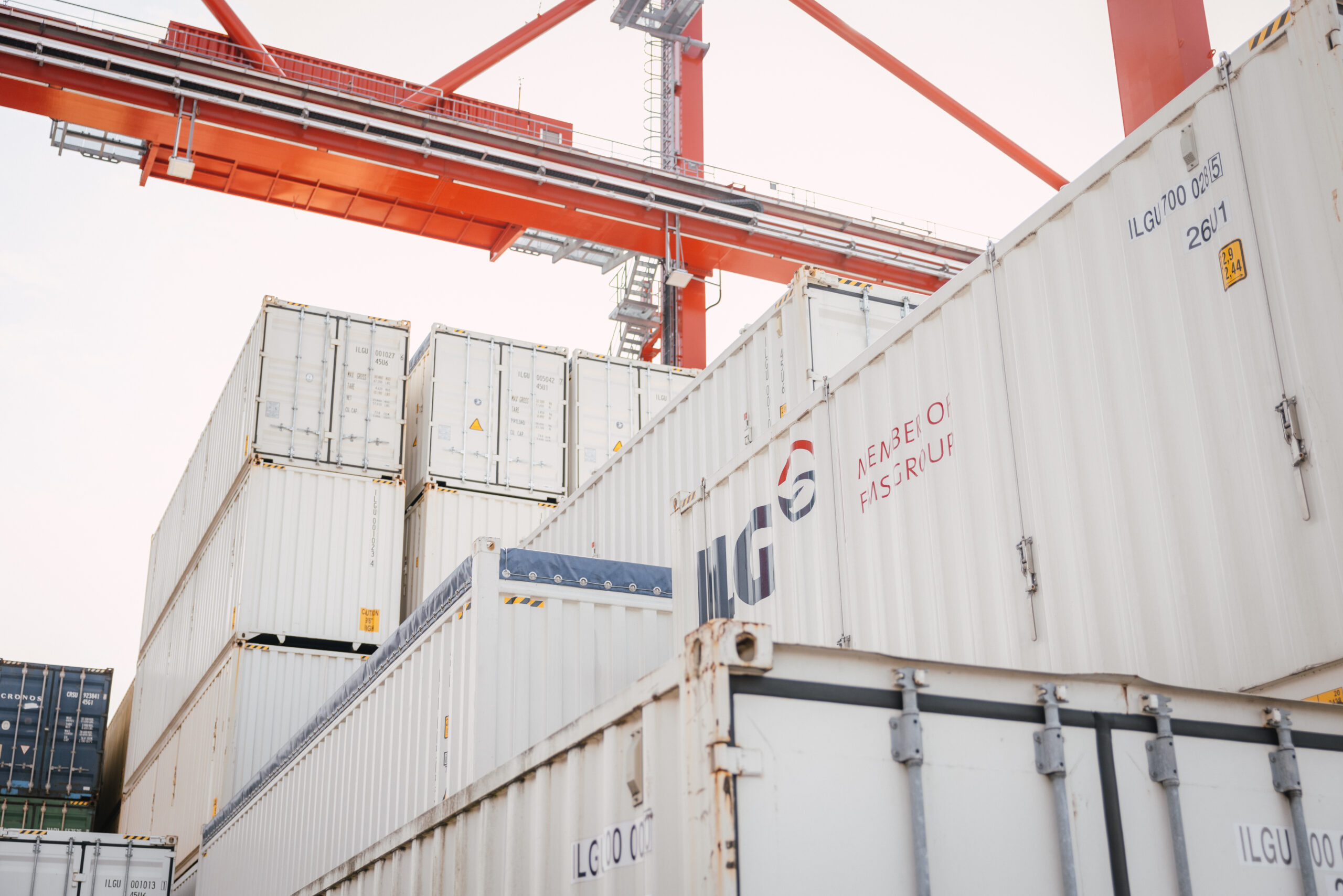
Shipping a Container: 5 Things to Consider Before Your First Shipment

What You Should Consider, simply put


Which Container is Right for your shipment?

International trade offers many opportunities – but during your first container shipment in particular, questions can quickly arise: Which container is right for me? What costs can I expect to incur? And what should I consider when planning?
ILG Innovative Logistics Group supports you in getting your cargo safely and efficiently on its way, be it in Europe or worldwide. With clear information, practical tips, and tailored solutions, we make entering the world of container shipping simple for you.
Read on to learn what really matters.

Our Container Equipment for Maximum Reliability & Flexibility
What Are You Transporting in Your Container?

Before your goods can be shipped, it is crucial to consider one thing: What exactly is being transported?

  • Type of goods: Sandard cargo, palletized products, or oversized freight – the type of cargo is central to determining what is required.
  • Special requirements: ILG also handles demanding cargo with ease, including oversized freight, sensitive materials, and shipments requiring increased security measures.

ILG TIP: Having precise information about your cargo helps to avoid unnecessary and potentially costly delays.

What Are the Dimensions and Weight of Your Cargo?

The size and weight of your shipment will influence both container selection and pricing:

  • Gesamtgewicht und Volumen (m³): Diese Werte bestimmen den Containertyp und mögliche Zusatzgebühren.
  • FCL oder LCL? ILG advises you on the right choice: Would you like to use an entire container (FCL) or only part of one (LCL)?

ILG Tip: Companies who frequently ship on a smaller scale often save money with LCL, while FCL is usually more economical for larger volumes.

Origin & Destination of Cargo Being Transported?

A clearly defined transport route is the foundation of every shipment plan:

  • National oder international? ILG offers transport services throughout Europe and worldwide – flexibly and reliably.
  • Scope of service: You decide – door-to-door or port-to-port.

ILG Tip: Good planning of origin and destination points helps avoid unnecessary extra handling and saves both time and money.

What Does Your Timeline Look Like?

Container transport requires realistic scheduling:

  • Transit times & buffers: Calculate in enough time for customs clearance, loading and unloading, and any unforeseen delays.
  • Seasonal peaks: Holidays or global events such as Chinese New Year can add to time in transit.
  • Modes of transport: ILG coordinates transport by sea, road, and rail – depending on your needs and budget.

✅ ILG Tip: It is always better to include a time buffer – especially for important delivery deadlines.

What Costs Should You Consider When Planning?

Transparent cost planning helps avoid headaches:

  • Basic costs: Ocean freight, insurance, customs duties, and handling.
  • Additional costs: demurrage, detention, trans-shipment, or equipment charges, for example.
  • Incoterms®-based: Who pays for what? Learn more in our Incoterms brochure. >ILG_Incoterms

ILG Tip: An early assessment of expected costs helps with planning – ILG Innovative Logistics Group provides transparent advice on typical cost factors.

Conclusion: Container Logistics Doesn’t Have to Be Complicated

With us, you have an experienced partner by your side who supports you from the very beginning with personal consultation, innovative solutions, and a clear focus on your requirements.
Ready for Your First Container Shipment?
Feel free to contact us by phone at +43 732 775255 or online via our contact form.

Share on Social Media